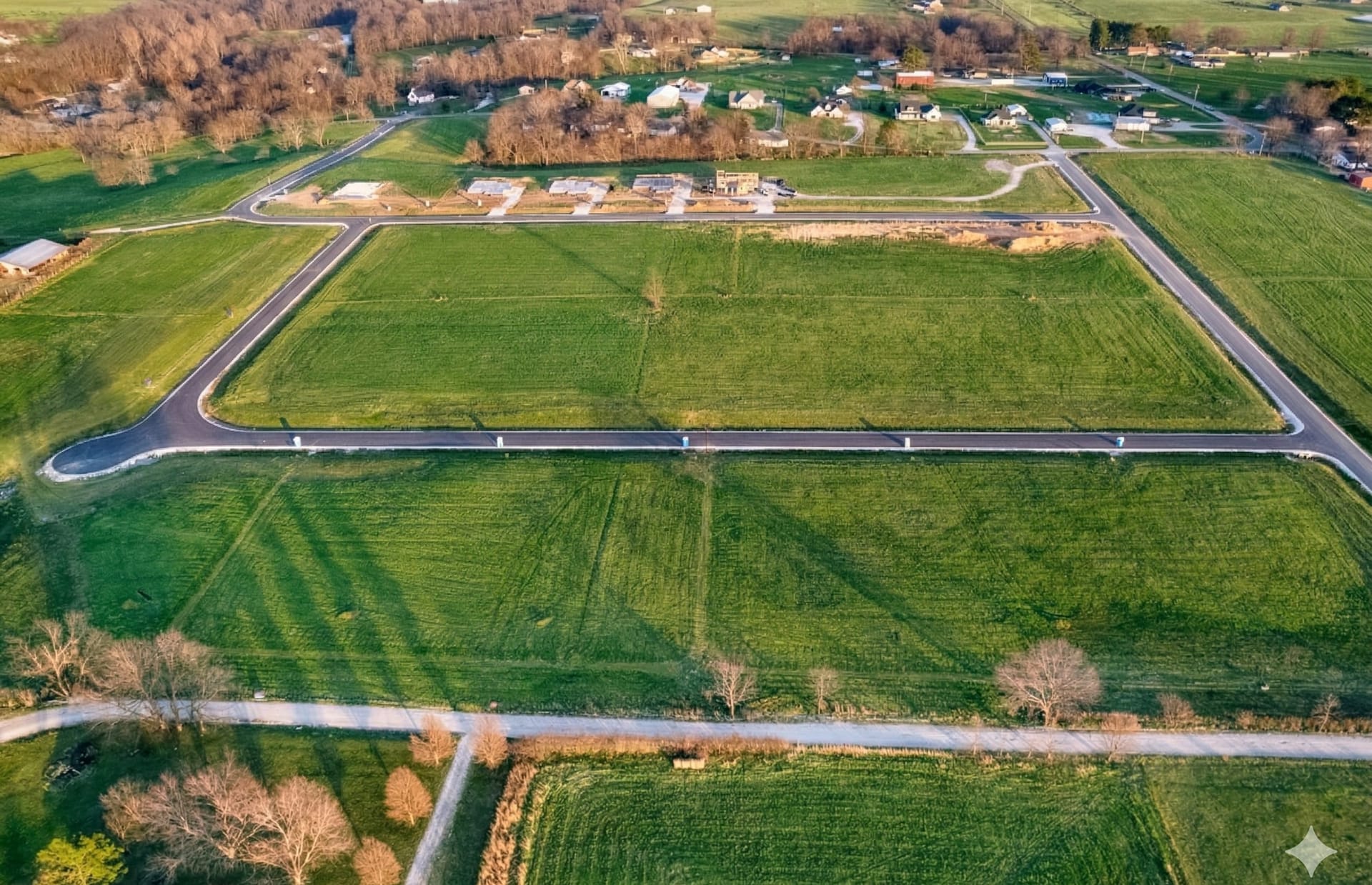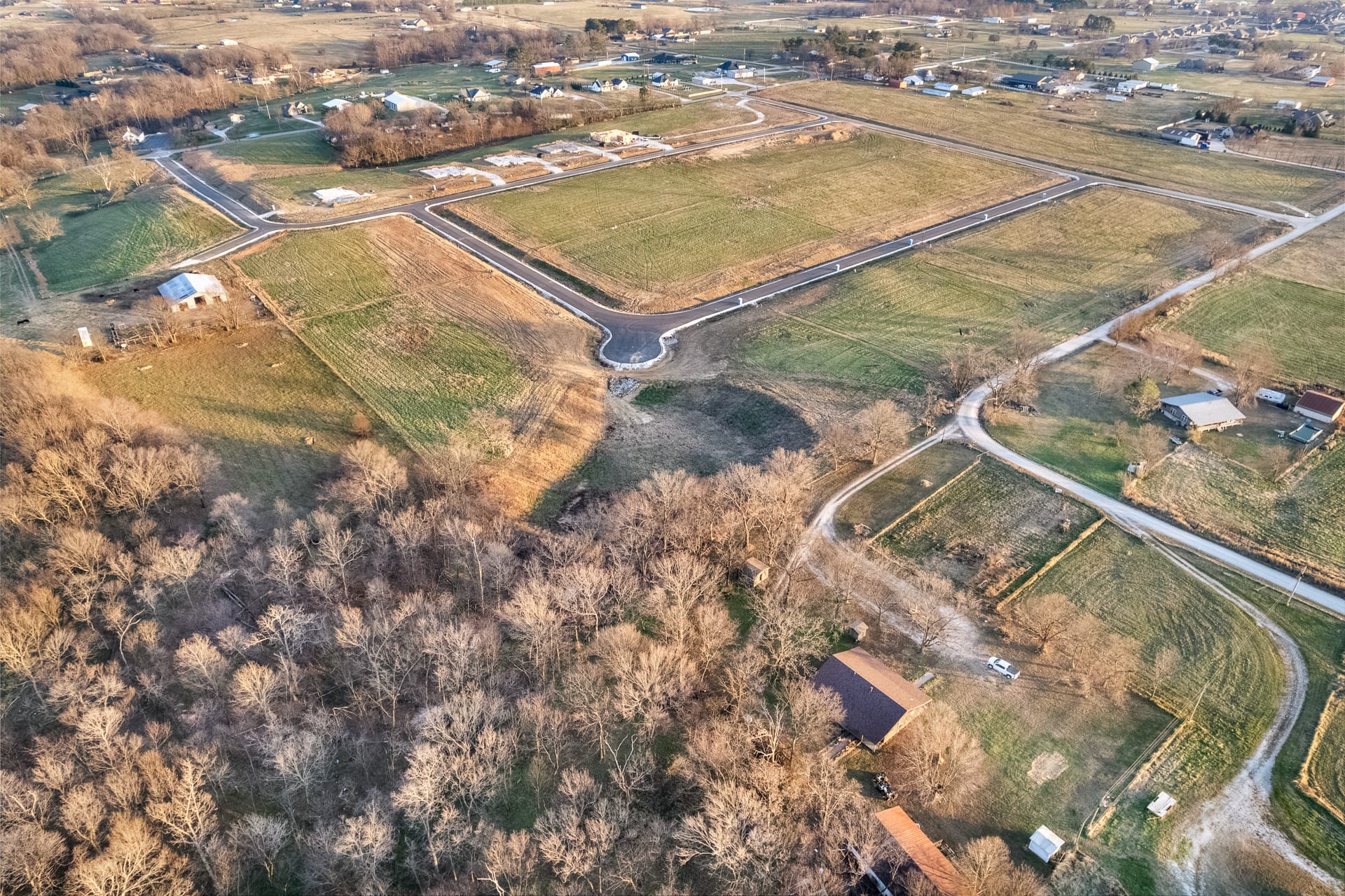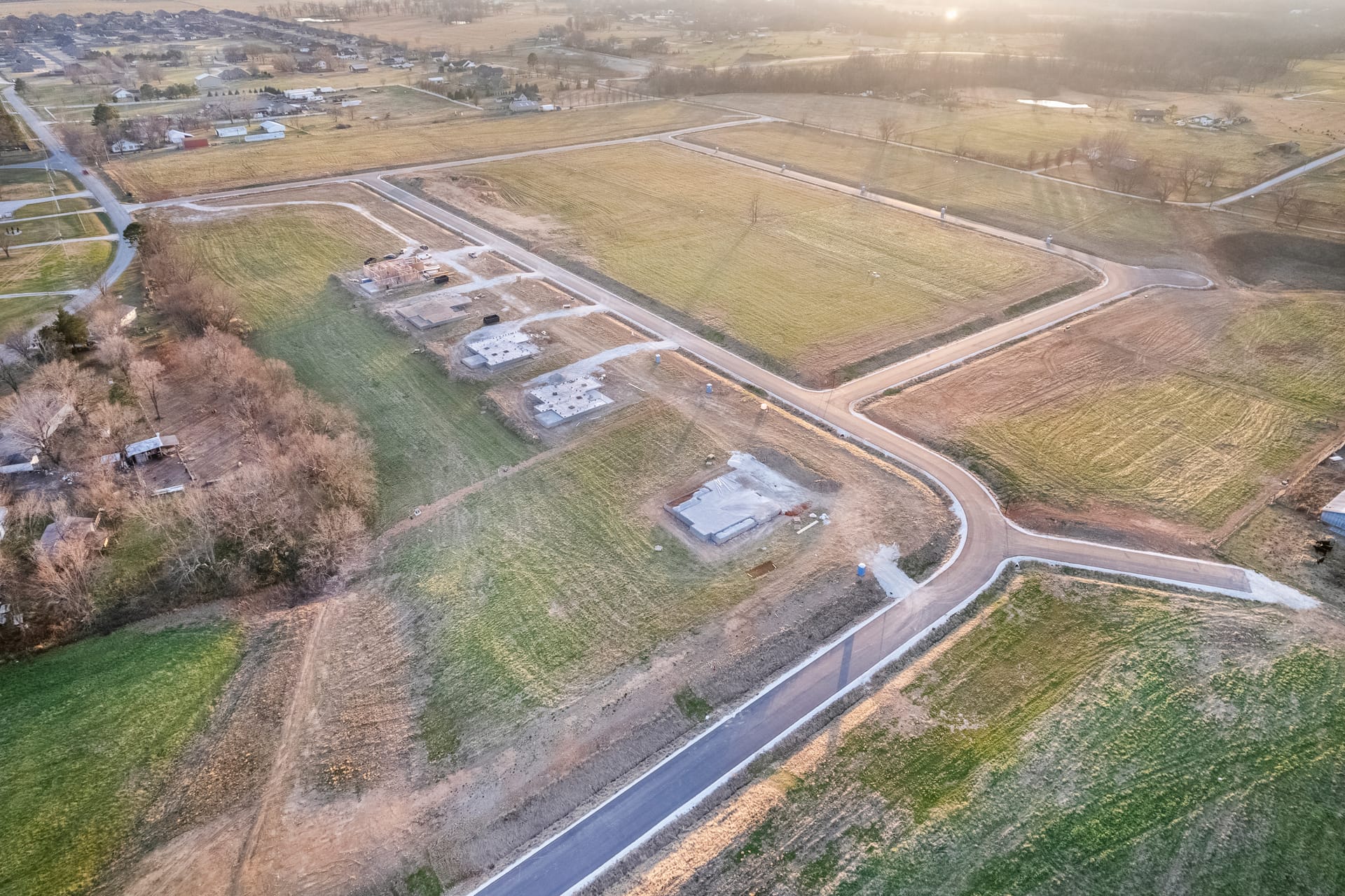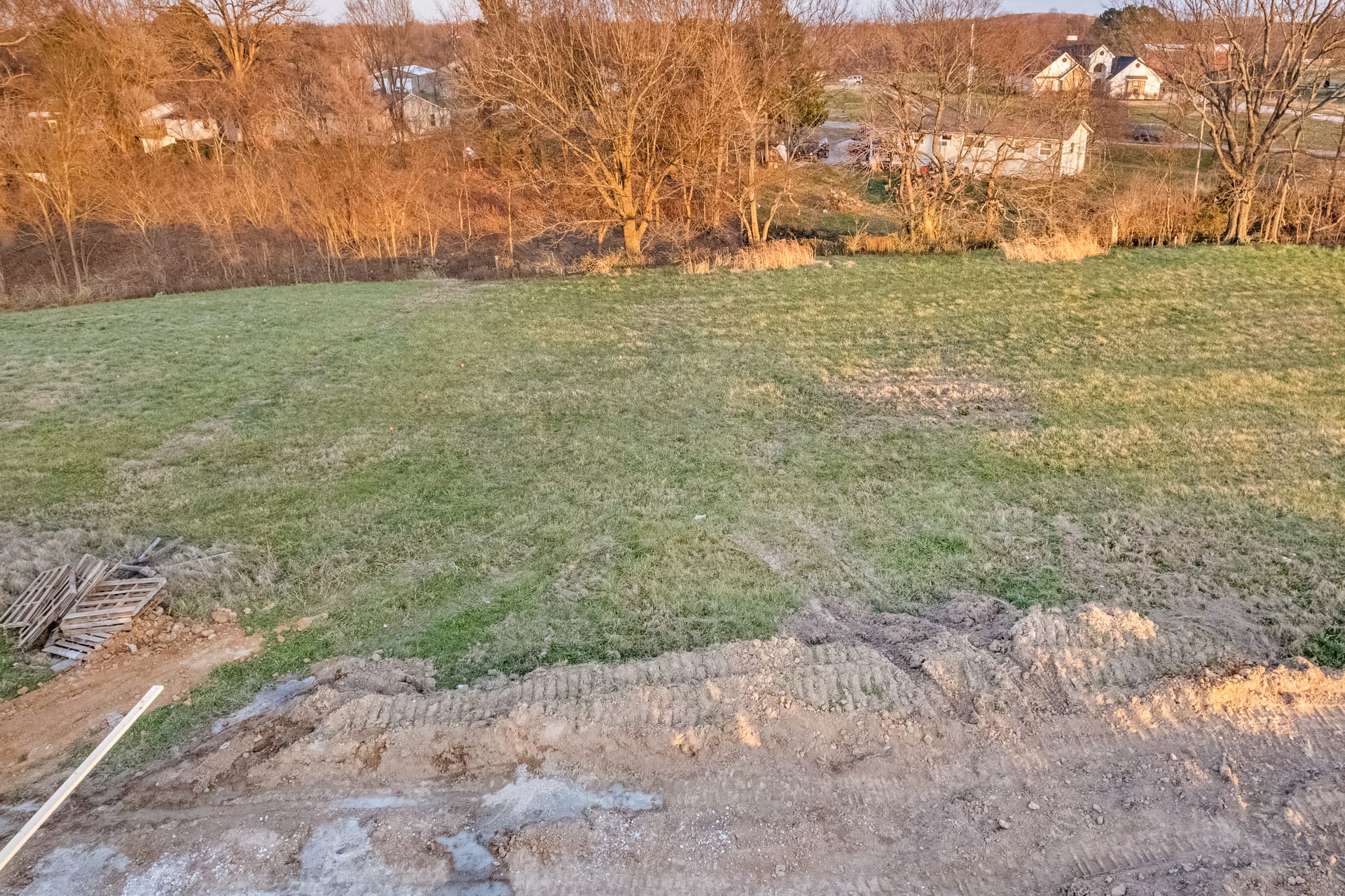
A full acre can create privacy, outdoor living space, and flexibility that a standard subdivision lot cannot. But acreage should be evaluated as land, not just as a number in a listing. One acre equals 43,560 square feet; how that space works depends on its shape, grade, easements, drainage, and the placement of the home.
1. Walk the whole homesite
Stand at the road, the proposed home location, and the rear property line. Look for changes in elevation, drainage paths, mature trees, neighboring structures, and views. Ask where property corners are located and whether a survey is available.
2. Understand usable area
Setbacks, utility easements, drainage easements, and topography may limit where pools, workshops, fences, or additions can go. Ask the builder or appropriate local authority whether your future plans fit the specific lot. The City of Fayetteville’s GIS Data Guide identifies public map layers for parcels, plats, contours, utilities, flood data, and zoning.
3. Confirm utilities and ongoing costs
Buyers should independently confirm water, wastewater, electric, gas, internet, trash service, and road maintenance for the exact address. Larger yards also require a realistic plan for mowing, irrigation, landscaping, tree care, and storm cleanup.
4. Compare privacy, not just lot size
A long narrow acre can feel different from a wide homesite. Home orientation, window placement, porches, garages, tree buffers, and the neighboring floor plans all affect privacy. Study the complete plat and future phases, not only the lot you are buying.
5. Match the home to the land
Magnolia Meadows pairs approximately one-acre homesites with custom homes by GBS Development. The 10 published plans include three-car garages and range from approximately 3,200 to 3,650 square feet. Browse the floor plans and compare their width, outdoor-living areas, and orientation with the homesites on the site map.
Your one-acre buying checklist
- Survey and property corners
- Slope, drainage, and soil considerations
- Setbacks and recorded easements
- Utility providers and connection details
- Fence, pool, shop, or accessory-building rules
- Landscaping and maintenance budget
- Neighboring lots and future development phases